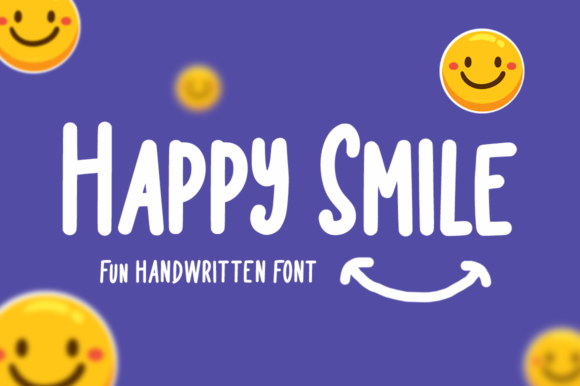
Happy Smile: Integrating a Magical Display Font into Your Creative Workflows
In the landscape of digital design, where clarity and speed often dictate success, finding a typeface that balances immediate visual impact with genuine elegance can be a challenge. Happy Smile emerges as a distinct solution for professionals who need to inject personality without sacrificing sophistication. This magical display font is not merely a decorative element; it is a strategic asset designed to elevate the emotional resonance of your content. Whether you are a marketer crafting a campaign or an educator designing learning materials, understanding how to integrate this tool effectively transforms standard outputs into memorable experiences.
The core value of Happy Smile lies in its authentic feel. It was carefully created with a touch of elegance that avoids the common pitfalls of novelty fonts, which often appear cheap or overly childish. Instead, it offers a refined aesthetic suitable for high-stakes environments like wedding invitations while remaining versatile enough for eye-catching social media posts. For the modern creator, the question is not just about selecting a pretty font, but about how that selection fits into a broader production process. How does a specific typeface influence the timeline of a project? Does it streamline communication or add friction? The answer depends on intentional implementation.
Strategic Planning and Pre-Production Integration
Effective design work begins long before the first letter is typed. In the planning phase of any creative project, defining the visual tone is critical. When you introduce Happy Smile into your workflow during the concepting stage, you are setting a precedent for the entire piece. Because this font carries a sense of warmth and joy, it naturally dictates the mood of the surrounding elements. If you are preparing a brand identity package, deciding early that Happy Smile will serve as the primary display font allows you to select complementary body text that supports rather than competes with it.
Consider the preparation required when working with specialized display fonts. Unlike standard system fonts, display typefaces often require specific file formats and licensing checks. Before launching a project, ensure that Happy Smile is properly installed across all devices used by your team. This step is essential for maintaining consistency. If a colleague opens a file on a different machine and the font is missing, the layout may shift, causing delays in the approval process. By verifying compatibility at the outset, you prevent technical bottlenecks and ensure that the elegant curves of the letters remain intact from the initial draft to the final delivery.
This font is particularly powerful in scenarios requiring rapid emotional connection. For entrepreneurs and small business owners, the pre-production phase involves identifying the target audience's psychological triggers. Happy Smile speaks directly to feelings of celebration and happiness. If your goal is to launch a new product line aimed at families or lifestyle enthusiasts, incorporating this font into your pitch decks or mockups can subtly reinforce the intended message before a single word of sales copy is read. It acts as a non-verbal cue that aligns the viewer's mindset with your brand narrative.
Execution and Workflow Optimization
Once the planning phase is complete, the execution stage demands efficiency and precision. Happy Smile excels in this environment because its unique structure reduces the cognitive load required to convey complex emotions. In a busy workflow, designers often spend excessive time tweaking kerning or searching for images to convey a specific feeling. With a font like Happy Smile, the typography itself does the heavy lifting. This allows creators to focus their energy on layout, hierarchy, and content strategy rather than struggling to make a plain sans-serif look "friendly."
For freelancers and publishers managing multiple projects simultaneously, the ability to switch between tones quickly is a significant advantage. You might have a corporate report due on Monday and a personal blog post on Tuesday. While the corporate report requires neutrality, the blog post benefits from the authentic feel of Happy Smile. The key to integrating this seamlessly is establishing a style guide that clearly defines usage rules. Specify exactly where the font should appear—for instance, using it only for headlines or pull quotes—and where it should be avoided. This organization ensures that your professional output remains consistent even as you juggle diverse client needs.
During the creation of stationary art or greeting cards, the interaction between Happy Smile and other design tools becomes apparent. When exporting files for print, pay close attention to resolution and vectorization. Because display fonts often feature intricate details, rasterizing them too early can result in pixelation. Ensure that your software settings preserve the vector quality of the Happy Smile characters until the final export. This practice guarantees that the elegant touches of the font remain crisp, whether the recipient views a digital invitation on a smartphone or holds a printed card in their hand.
Social Media and Digital Engagement Strategies
In the realm of digital marketing, attention spans are fleeting. Eye-catching social media posts must communicate their message instantly. Happy Smile serves as a potent tool here, acting as a visual hook that stops the scroll. When creating content for platforms like Instagram or Pinterest, the font's magical display characteristics draw the eye immediately. However, integration into these channels requires more than just pasting text onto an image. It involves understanding the algorithmic context of readability and engagement.
To maximize the impact of Happy Smile on social media, pair it with high-quality imagery that matches its vibe. A font alone cannot carry a post; it works best when interacting with photography, illustrations, or video backgrounds. For example, if you are promoting a workshop or a webinar, use Happy Smile for the event title and a clean, legible sans-serif for the date and location. This contrast creates a balanced composition that guides the user's eye through the information hierarchy. The result is a post that looks curated and professional, increasing the likelihood of shares and saves.
Furthermore, consider the accessibility implications of using display fonts. While Happy Smile is beautiful, its stylized nature may reduce readability for users with visual impairments if used for long passages of text. Best practices dictate reserving this font for short bursts of text—headlines, captions, or button labels. By adhering to these usability standards, you ensure that your content reaches a wider audience without compromising on style. This approach demonstrates a commitment to inclusive design, a factor that increasingly influences brand perception among savvy consumers.
Quality Control and Long-Term Consistency
Maintaining the integrity of Happy Smile over time is crucial for building a recognizable brand identity. As you scale your operations, the temptation to cut corners on font management grows. Regular audits of your design assets can help identify inconsistencies. Are team members using a slightly different weight or version of the font? Is the color palette shifting away from the original intent? Establishing a centralized library for Happy Smile ensures that everyone accesses the same high-quality resources.
Long-term use also involves monitoring how the font performs across different mediums. A design that looks stunning on a desktop monitor might lose its charm on a mobile screen if the font size is too small. Conduct tests across various devices to verify that the elegant details of Happy Smile remain visible. This proactive quality control prevents the degradation of your visual assets and ensures that the authentic feel of the font is preserved regardless of the platform. Ultimately, Happy Smile is more than a typeface; it is a deliberate choice that, when integrated thoughtfully, elevates the entire lifecycle of your creative projects.
- Preparation: Verify file availability and install the font on all collaborative devices before starting a project.
- Implementation: Use Happy Smile for headlines and focal points to leverage its emotional impact without sacrificing readability.
- Consistency: Create a style guide that defines specific use cases to maintain brand voice across different media.
- Optimization: Test exports across web and print to ensure the magical display features render correctly.
By treating Happy Smile as a strategic component of your workflow rather than a mere aesthetic afterthought, you unlock its full potential. It bridges the gap between professional polish and human connection, making it an indispensable tool for anyone looking to create gorgeous wedding invitations, beautiful stationary art, or engaging digital content. The effort invested in understanding and integrating this font pays dividends in the form of higher engagement, clearer communication, and a more cohesive brand presence.